
Tirzepatide (LY3298176)
Synthetic 39-amino-acid peptide engineered as a first-in-class dual glucose-dependent insulinotropic polypeptide (GIP) and glucagon-like peptide-1 (GLP-1) receptor agonist. Marketed by Eli Lilly as Mounjaro (for Type 2 diabetes) and Zepbound (for chronic weight management). Approved by US FDA, EMA, and Egyptian Drug Authority.
60-Second Scientific Briefing
Tirzepatide is a once-weekly injectable peptide from Eli Lilly that activates two gut-hormone receptors, GIP and GLP-1. It is approved in the US for type 2 diabetes (Mounjaro, 2022) and for chronic weight management (Zepbound, 2023). In the SURMOUNT-1 trial (NEJM 2022, 2,539 adults, 72 weeks) mean body-weight change was −15.0%, −19.5% and −20.9% with 5, 10 and 15 mg, against −3.1% with placebo.
🛒 Tirzepatide products in the store (2) →
What is Tirzepatide?
Pharmacological Classification & Molecular IdentityLinear 39-amino-acid synthetic peptide modified with a C20 fatty diacid moiety attached at Lys20 via a linker. [1] U.S. Food and Drug Administration, 2022 ↗
Verified Chemical & Regulatory Registry Identifiers
Mechanism of Action & Receptor Targets
Biological Pathway and Target BindingReceptor Selectivity: Co-activates GIP and GLP-1 receptors, enhancing glucose-dependent insulin secretion, insulin sensitivity in adipose tissue, and central satiety pathways. [1] U.S. Food and Drug Administration, 2022 ↗
Regulatory & FDA Approval Status
Legal and Regulatory ClassificationsApproved by the US FDA: Mounjaro for type 2 diabetes (May 2022) and Zepbound for chronic weight management (November 2023), later also for moderate-to-severe obstructive sleep apnea in adults with obesity after the SURMOUNT-OSA trials. The approval covers those manufactured medicines and their labelled uses. [1] N Engl J Med, 2024 ↗ [2] U.S. Food and Drug Administration, 2022 ↗ [3] U.S. National Library of Medicine (DailyMed) ↗
Tirzepatide has received regulatory approval for specific medical indications. Commercial distribution and medical usage require appropriate prescription and adherence to approved labeling.
Human Evidence & Clinical Trials
Clinical Study Readouts and Evidence SynthesesSURMOUNT-1 (NEJM 2022): 2,539 adults with obesity or overweight without diabetes, randomised to 5, 10 or 15 mg once weekly or placebo for 72 weeks; mean weight change −15.0%, −19.5%, −20.9% vs −3.1%. SURPASS-2 (NEJM 2021): 1,879 adults with type 2 diabetes, tirzepatide 5/10/15 mg vs semaglutide 1 mg for 40 weeks; HbA1c fell more with every tirzepatide dose. SURMOUNT-5 (NEJM 2025): 751 adults, maximum tolerated tirzepatide (10 or 15 mg) vs semaglutide (1.7 or 2.4 mg) for 72 weeks; −20.2% vs −13.7%. SURMOUNT-OSA (NEJM 2024): apnea-hypopnea index fell by 25.3 and 29.3 events per hour vs about 5 with placebo at 52 weeks. [1] N Engl J Med, 2025 ↗ [2] N Engl J Med, 2024 ↗ [3] N Engl J Med, 2022 ↗ [4] U.S. Food and Drug Administration, 2022 ↗ [5] N Engl J Med, 2021 ↗ [6] New England Journal of Medicine, 2022 ↗
Clinical Evidence
SURMOUNT-1 (NEJM 2022): 2,539 adults with obesity or overweight without diabetes, randomised to 5, 10 or 15 mg once weekly or placebo for 72 weeks; mean weight change −15.0%, −19.5%, −20.9% vs −3.1%. SURPASS-2 (NEJM 2021): 1,879 adults with type 2 diabetes, tirzepatide 5/10/15 mg vs semaglutide 1 mg for 40 weeks; HbA1c fell more with every tirzepatide dose. SURMOUNT-5 (NEJM 2025): 751 adults, maximum tolerated tirzepatide (10 or 15 mg) vs semaglutide (1.7 or 2.4 mg) for 72 weeks; −20.2% vs −13.7%. SURMOUNT-OSA (NEJM 2024): apnea-hypopnea index fell by 25.3 and 29.3 events per hour vs about 5 with placebo at 52 weeks.
Safety Profile & Clinical Limitations
Documented Adverse Events and Known UncertaintiesThe most common adverse events were gastrointestinal (nausea, diarrhoea, vomiting, constipation), mostly mild to moderate and mainly during dose escalation. In SURMOUNT-1, 4.3%, 7.1% and 6.2% stopped because of adverse events on 5, 10 and 15 mg, against 2.6% on placebo. In SURPASS-2, nausea was reported by 17–22% on tirzepatide and 18% on semaglutide. The US label carries a boxed warning on thyroid C-cell tumours and warns about pancreatitis, gallbladder disease and hypoglycaemia with insulin or sulfonylureas. [1] N Engl J Med, 2022 ↗ [2] U.S. Food and Drug Administration, 2022 ↗ [3] N Engl J Med, 2021 ↗ [4] U.S. National Library of Medicine (DailyMed) ↗
Long-term cardiovascular outcome results in people with obesity without diabetes, effects beyond several years of use, and weight regain after stopping are still being studied. [1] New England Journal of Medicine, 2022 ↗
Dose Approval Status
Commercial Dosing Status and Policy DirectivesApproved US labelling: subcutaneous injection once weekly, starting at 2.5 mg for 4 weeks and increased in 2.5 mg steps after at least 4 weeks on each dose; maintenance doses of 5, 10 or 15 mg (prescribing information). The trials above used the same once-weekly 5, 10 and 15 mg dose groups. Dosing is set by the prescriber. [1] N Engl J Med, 2022 ↗ [2] U.S. Food and Drug Administration, 2022 ↗ [3] U.S. National Library of Medicine (DailyMed) ↗
Under Egypt Peptides medical governance policies, no personal dosages, titration intervals, cycles, stacking recommendations, or self-injection instructions may be provided for unapproved investigational compounds. Clinical study protocols represent controlled experimental research parameters exclusively.
What is Known vs. What is Unknown
Evidence Comparison and Clinical Evidence Boundaries✓ Confirmed Scientific Evidence
- Linear 39-amino-acid synthetic peptide modified with a C20 fatty diacid moiety attached at Lys20 via a linker.
- Targets & Selectivity: Co-activates GIP and GLP-1 receptors, enhancing glucose-dependent insulin secretion, insulin sensitivity in adipose tissue, and central satiety pathways.
- SURMOUNT-1 (NEJM 2022): 2,539 adults with obesity or overweight without diabetes, randomised to 5, 10 or 15 mg once weekly or placebo for 72 weeks; mean weight change −15.0%, −19.5%, −20.9% vs −3.1%. SURPASS-2 (NEJM 2021): 1,879 adults with type 2 diabetes, tirzepatide 5/10/15 mg vs semaglutide 1 mg for 40 weeks; HbA1c fell more with every tirzepatide dose. SURMOUNT-5 (NEJM 2025): 751 adults, maximum tolerated tirzepatide (10 or 15 mg) vs semaglutide (1.7 or 2.4 mg) for 72 weeks; −20.2% vs −13.7%. SURMOUNT-OSA (NEJM 2024): apnea-hypopnea index fell by 25.3 and 29.3 events per hour vs about 5 with placebo at 52 weeks.
- Safety considerations: The most common adverse events were gastrointestinal (nausea, diarrhoea, vomiting, constipation), mostly mild to moderate and mainly during dose escalation. In SURMOUNT-1, 4.3%, 7.1% and 6.2% stopped because of adverse events on 5, 10 and 15 mg, against 2.6% on placebo. In SURPASS-2, nausea was reported by 17–22% on tirzepatide and 18% on semaglutide. The US label carries a boxed warning on thyroid C-cell tumours and warns about pancreatitis, gallbladder disease and hypoglycaemia with insulin or sulfonylureas.
? Unknown / Under Ongoing Investigation
- Long-term cardiovascular outcome results in people with obesity without diabetes, effects beyond several years of use, and weight regain after stopping are still being studied.
Verified Questions & Answers
10 Verified scientific answers with permanent anchor keysTirzepatide is classified as a Dual GIP and GLP-1 Receptor Agonist. Molecular structure: Linear 39-amino-acid synthetic peptide modified with a C20 fatty diacid moiety attached at Lys20 via a linker..
Pharmacological classification and molecular integrity are documented in verified regulatory and scientific literature.
- FDA Drugs@FDA Database: MOUNJARO / ZEPBOUND (Tirzepatide) Approval History and Prescribing Information (U.S. Food and Drug Administration, 2022-05-13)
Tirzepatide exerts biological activity via Co-activates GIP and GLP-1 receptors, enhancing glucose-dependent insulin secretion, insulin sensitivity in adipose tissue, and central satiety pathways..
Receptor binding affinity and selectivity dictate the physiological response observed in laboratory and clinical trials.
- FDA Drugs@FDA Database: MOUNJARO / ZEPBOUND (Tirzepatide) Approval History and Prescribing Information (U.S. Food and Drug Administration, 2022-05-13)
Yes. The US FDA approved tirzepatide as Mounjaro for type 2 diabetes in May 2022 and as Zepbound for chronic weight management in November 2023, and later for obstructive sleep apnea in adults with obesity. The approval applies to those manufactured medicines.
Prescription use requires a verified medical diagnosis and adherence to approved labeling.
- Tirzepatide for the Treatment of Obstructive Sleep Apnea and Obesity (SURMOUNT-OSA) (N Engl J Med, 2024-10-03)
- FDA Drugs@FDA Database: MOUNJARO / ZEPBOUND (Tirzepatide) Approval History and Prescribing Information (U.S. Food and Drug Administration, 2022-05-13)
- Tirzepatide prescribing information (Mounjaro, Zepbound) (U.S. National Library of Medicine (DailyMed))
Large Phase 3 programmes: SURMOUNT (obesity) and SURPASS (type 2 diabetes). In SURMOUNT-1 (NEJM 2022, 2,539 adults, 72 weeks) mean weight change was −15.0%, −19.5% and −20.9% with 5, 10 and 15 mg once weekly, against −3.1% with placebo.
SURMOUNT-1 (NEJM 2022): 2,539 adults with obesity or overweight without diabetes were randomised to tirzepatide 5, 10 or 15 mg once weekly or placebo for 72 weeks; mean weight change −15.0%, −19.5%, −20.9% vs −3.1%. SURPASS-2 (NEJM 2021): 1,879 adults with type 2 diabetes received tirzepatide 5, 10 or 15 mg or semaglutide 1 mg once weekly for 40 weeks; every tirzepatide dose lowered HbA1c more than semaglutide (by 0.15 to 0.45 percentage points). SURMOUNT-5 (NEJM 2025): 751 adults received the maximum tolerated dose of tirzepatide (10 or 15 mg) or semaglutide (1.7 or 2.4 mg) for 72 weeks; mean weight change −20.2% vs −13.7%. SURMOUNT-OSA (NEJM 2024): in two 52-week trials the apnea-hypopnea index fell by 25.3 and 29.3 events per hour with tirzepatide against 5.3 and 5.5 with placebo.
- Tirzepatide as Compared with Semaglutide for the Treatment of Obesity (SURMOUNT-5) (N Engl J Med, 2025-07-03)
- Tirzepatide for the Treatment of Obstructive Sleep Apnea and Obesity (SURMOUNT-OSA) (N Engl J Med, 2024-10-03)
- Tirzepatide Once Weekly for the Treatment of Obesity (SURMOUNT-1) (N Engl J Med, 2022-07-21)
- FDA Drugs@FDA Database: MOUNJARO / ZEPBOUND (Tirzepatide) Approval History and Prescribing Information (U.S. Food and Drug Administration, 2022-05-13)
- Tirzepatide versus Semaglutide Once Weekly in Patients with Type 2 Diabetes (SURPASS-2) (N Engl J Med, 2021-08-05)
- Tirzepatide Once Weekly for the Treatment of Obesity (New England Journal of Medicine, 2022-07-21)
Mostly gastrointestinal adverse events (nausea, diarrhoea, vomiting, constipation), mainly mild to moderate and during dose escalation. The US label has a boxed warning on thyroid C-cell tumours and warns about pancreatitis and gallbladder disease.
In SURMOUNT-1, adverse events led to stopping treatment in 4.3%, 7.1% and 6.2% of participants on 5, 10 and 15 mg, against 2.6% on placebo. In SURPASS-2, nausea occurred in 17–22% on tirzepatide and 18% on semaglutide, diarrhoea in 13–16% and 12%, and vomiting in 6–10% and 8%. The prescribing information adds a boxed warning on thyroid C-cell tumours (contraindicated with a personal or family history of medullary thyroid carcinoma or MEN 2) and warnings on pancreatitis, gallbladder disease, hypoglycaemia with insulin or sulfonylureas, and kidney injury from dehydration.
- Tirzepatide Once Weekly for the Treatment of Obesity (SURMOUNT-1) (N Engl J Med, 2022-07-21)
- FDA Drugs@FDA Database: MOUNJARO / ZEPBOUND (Tirzepatide) Approval History and Prescribing Information (U.S. Food and Drug Administration, 2022-05-13)
- Tirzepatide versus Semaglutide Once Weekly in Patients with Type 2 Diabetes (SURPASS-2) (N Engl J Med, 2021-08-05)
- Tirzepatide prescribing information (Mounjaro, Zepbound) (U.S. National Library of Medicine (DailyMed))
Still being studied: long-term cardiovascular outcomes in people with obesity without diabetes, effects beyond several years of use, and weight regain after stopping treatment.
Egypt Peptides enforces strict transparency regarding scientific limitations and gaps in longitudinal clinical data.
- Tirzepatide Once Weekly for the Treatment of Obesity (New England Journal of Medicine, 2022-07-21)
Approved US labelling: once weekly by subcutaneous injection, starting at 2.5 mg for 4 weeks, then increased in 2.5 mg steps after at least 4 weeks on each dose, to maintenance doses of 5, 10 or 15 mg. Dosing is set by the prescriber.
Under medical governance mandates, clinical study dosages represent strictly controlled experimental parameters and must never be interpreted as individual therapeutic advice.
- Tirzepatide Once Weekly for the Treatment of Obesity (SURMOUNT-1) (N Engl J Med, 2022-07-21)
- FDA Drugs@FDA Database: MOUNJARO / ZEPBOUND (Tirzepatide) Approval History and Prescribing Information (U.S. Food and Drug Administration, 2022-05-13)
- Tirzepatide prescribing information (Mounjaro, Zepbound) (U.S. National Library of Medicine (DailyMed))
Storage status: Store refrigerated at 2°C to 8°C (36°F to 46°F). May be stored unrefrigerated up to 30°C (86°F) for up to 21 days in original carton.
Peptide integrity degrades rapidly when exposed to elevated temperatures, repeated freeze-thaw cycles, or direct UV light exposure.
- FDA Drugs@FDA Database: MOUNJARO / ZEPBOUND (Tirzepatide) Approval History and Prescribing Information (U.S. Food and Drug Administration, 2022-05-13)
- Tirzepatide prescribing information (Mounjaro, Zepbound) (U.S. National Library of Medicine (DailyMed))
Tirzepatide is not named on the 2026 WADA Prohibited List, and as an approved medicine (Mounjaro, Zepbound) it does not fall under section S0 (non-approved substances). Athletes should confirm with their national anti-doping organisation.
- WADA Prohibited List (World Anti-Doping Agency)
Egypt Peptides provides scientific reference pages with listed sources for research documentation. We strictly prohibit individual medical consultations, reconstitution guides, stacking recipes, or off-label use instructions.
All scientific claims must link to verified authoritative sources (FDA, PubMed, ClinicalTrials.gov) with zero tolerance for ungrounded marketing claims.
- FDA Drugs@FDA Database: MOUNJARO / ZEPBOUND (Tirzepatide) Approval History and Prescribing Information (U.S. Food and Drug Administration, 2022-05-13)
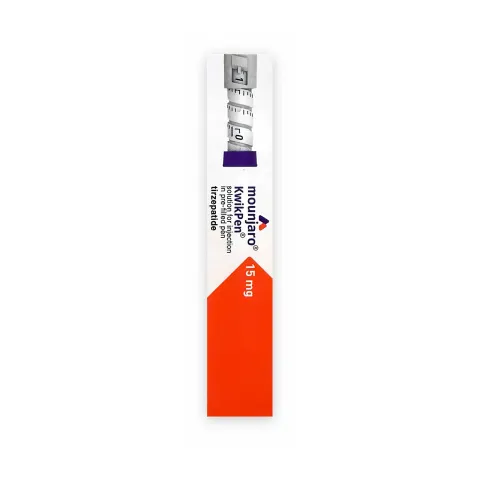
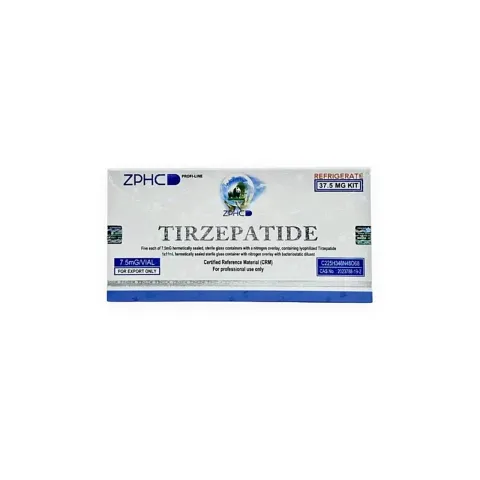
Tirzepatide available in Egypt
For research use onlyResearch products with the current store price and stock. The scientific information on this page describes published studies, not these products.
Authoritative Sources & Literature Registry
Regulatory dossiers, clinical trial registries, and published studiesTirzepatide as Compared with Semaglutide for the Treatment of Obesity (SURMOUNT-5) ↗
https://pubmed.ncbi.nlm.nih.gov/40353578/
Tirzepatide for the Treatment of Obstructive Sleep Apnea and Obesity (SURMOUNT-OSA) ↗
https://pubmed.ncbi.nlm.nih.gov/38912654/
Tirzepatide Once Weekly for the Treatment of Obesity (SURMOUNT-1) ↗
https://pubmed.ncbi.nlm.nih.gov/35658024/
FDA Drugs@FDA Database: MOUNJARO / ZEPBOUND (Tirzepatide) Approval History and Prescribing Information ↗
https://www.accessdata.fda.gov/scripts/cder/daf/index.cfm?event=overview.process&ApplNo=215866
Tirzepatide versus Semaglutide Once Weekly in Patients with Type 2 Diabetes (SURPASS-2) ↗
https://pubmed.ncbi.nlm.nih.gov/34170647/
Tirzepatide prescribing information (Mounjaro, Zepbound) ↗
https://dailymed.nlm.nih.gov/dailymed/search.cfm?query=tirzepatide
Tirzepatide Once Weekly for the Treatment of Obesity ↗
https://www.nejm.org/doi/10.1056/NEJMoa2206038